Two samples can look almost identical on display shelves, yet the experience changes the moment you step on them. SPC flooring thickness influences how a floor feels, how it performs during installation, and how it responds to everyday use. Many buyers assume thicker automatically means better quality, but the reality is more nuanced. Thickness matters, but mainly in the aspects users can actually notice, such as comfort, sound control, and installation stability. Understanding what thickness really affects helps property owners, developers, and distributors choose specifications that match project requirements without unnecessary cost.
Thickness is often one of the first specifications discussed because it is easy to compare. However, performance depends on multiple structural layers working together. The rigid core, wear layer, backing, and installation environment all contribute to overall durability. Recognizing how thickness interacts with these factors leads to smarter decisions and more predictable flooring results.
What thickness includes
SPC flooring thickness is not a single element. It represents the combined structure of the plank.
Total thickness range
Most SPC flooring products fall within a typical range that balances performance and practicality. This range supports residential, commercial, and renovation projects while maintaining structural stability and installation efficiency.
Core thickness and structural stability
The rigid core forms the backbone of SPC flooring. A thicker core can improve dimensional stability and help maintain plank shape when installed over minor subfloor irregularities. Stability is particularly important in floating installations where locking systems depend on precise alignment.
Attached pad thickness and user experience
Many SPC products include IXPE or EVA backing. This layer contributes to comfort, acoustic performance, and minor shock absorption. While it increases total thickness, its primary impact is user experience rather than structural strength.
Where thickness truly improves performance
Thickness has clear advantages when evaluated in real installation conditions.
Handling minor subfloor unevenness
Thicker planks can better bridge small imperfections in the subfloor. While proper leveling is always recommended, additional thickness can provide a margin of tolerance that simplifies installation.
Comfort and acoustic perception
Walking comfort often improves with thicker constructions, especially when combined with attached pads. Sound reduction is also more noticeable, which is valuable in apartments, offices, and multi-family buildings.
Locking system engagement
Installers frequently report that thicker planks feel more stable during installation. The locking mechanism engages with greater confidence, which reduces installation errors and improves overall workflow efficiency.
Where thickness is not the main factor
Some performance aspects are often mistakenly attributed to thickness.
Scratch resistance depends on the wear layer
Surface durability is primarily determined by the wear layer rather than overall thickness. A thicker plank without a suitable wear layer may not outperform a thinner plank designed for higher traffic.
Maintenance habits also play a role. Proper cleaning routines, protective pads, and entry mats influence long-term appearance more than thickness alone.
Dent resistance relates to load distribution
Furniture legs, rolling equipment, and concentrated weight affect dent resistance. Protective pads and load distribution strategies can significantly reduce indentation risk regardless of plank thickness.
Water performance depends on construction quality
SPC flooring is inherently waterproof at the surface, but moisture performance relates to core formulation, installation quality, and environmental conditions rather than thickness alone.
Matching thickness to real spaces
Selecting the right thickness becomes easier when aligned with usage scenarios.
Busy residential areas
Kitchens, hallways, and living rooms experience frequent movement. Thickness choices in these spaces often prioritize comfort and installation stability while ensuring an appropriate wear layer for daily traffic.
Light commercial environments
Retail boutiques, offices, and hospitality spaces benefit from balanced specifications. Thickness contributes to stability and acoustic performance, while wear layer selection addresses traffic intensity.
Heavy traffic locations
High-traffic environments require a combination of structural stability and surface durability. In these cases, aligning thickness with wear layer specification produces better results than simply selecting the thickest option available.
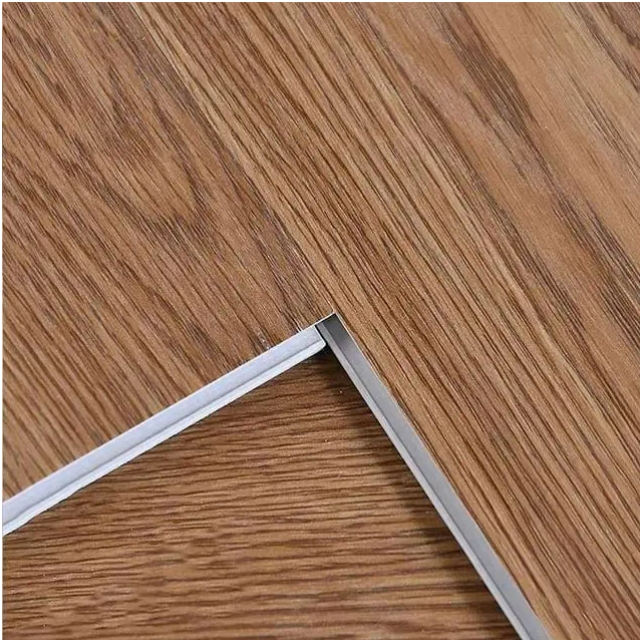
Thickness trade-offs buyers should understand
Thickness influences practical aspects beyond performance.
Cost and logistics considerations
Thicker flooring typically increases material cost and shipping weight. In large projects, these differences can influence budgeting and transportation planning.
Door clearance and transitions
Renovation projects must consider how thickness affects door clearance, transition strips, and trim adjustments. Planning these details in advance reduces installation delays.
Priorities when working within budget
If budget limitations exist, maintaining locking quality and wear layer specification often delivers greater value than increasing thickness alone. Balanced specifications support long-term performance more effectively.
How thickness contributes to installation efficiency
Installers often evaluate thickness from a workflow perspective. Slightly thicker planks can provide a more stable handling experience, reducing breakage risk and improving alignment accuracy. This efficiency becomes more noticeable in large installations where consistency affects productivity.
The combination of rigid core stability and click installation technology allows projects to move forward quickly while maintaining quality. Thickness plays a supporting role by improving handling and reducing sensitivity to minor subfloor variation.
Product structure and manufacturing consistency
Thickness also reflects manufacturing precision. Consistent plank thickness supports predictable installation and uniform visual appearance. Variations in thickness can lead to joint stress or uneven surfaces, which is why production control is essential.
Shandong Baoshang Plastic Co., Ltd. integrates design, production, and international distribution to ensure SPC flooring maintains consistent structural performance. Manufacturing expertise allows thickness options to be optimized for different applications without compromising reliability.
Thickness and long-term floor perception
End users often associate floor quality with walking feel. Thickness contributes to perceived solidity, acoustic comfort, and overall satisfaction. These sensory factors influence how spaces are experienced, especially in residential environments where comfort expectations are high.
In commercial spaces, acoustic control and stability affect customer experience and operational comfort. Selecting the appropriate thickness helps create environments that feel durable, quiet, and professionally finished.
Table: 4mm vs 5mm vs 6mm+ SPC in real use
Thickness | Best-fit rooms | Feel underfoot | Subfloor forgiveness | Sound performance | Typical priority |
4mm | Renovations, low traffic areas | Firm | Limited | Basic | Budget efficiency |
5mm | Standard residential spaces | Balanced | Moderate | Improved | Versatility |
6mm+ | High comfort or commercial spaces | More solid | Higher tolerance | Strong | Stability and comfort |
Thickness as part of a complete specification
Thickness should be considered alongside wear layer, surface texture, locking system, and installation environment. Viewing thickness as one component of a larger specification framework helps avoid oversimplified decisions.
Balanced specifications reduce the risk of over-engineering while ensuring performance expectations are met. This approach is particularly useful for distributors managing multiple project types and for developers seeking consistent results across properties.
Role of supplier expertise in thickness selection
Manufacturing experience influences how thickness options are developed and recommended. Shandong Baoshang Plastic Co., Ltd. produces SPC flooring designed to address real installation conditions, combining rigid core technology, stable locking systems, and adaptable thickness configurations.
By offering multiple thickness options within a consistent quality framework, suppliers enable projects to select specifications that match functional requirements rather than relying on assumptions about thickness alone.
Conclusion
Thickness influences comfort, installation confidence, and stability, but it should not be treated as a single indicator of quality. SPC flooring performance depends on how thickness interacts with wear layer specification, subfloor preparation, and usage conditions. Evaluating these factors together leads to better specification decisions and more predictable long-term results. Shandong Baoshang Plastic Co., Ltd. focuses on developing SPC flooring solutions that combine structural stability, efficient installation, and flexible thickness options to support diverse residential and commercial applications. For product information, technical guidance, and project recommendations, contact us to explore solutions designed to support rigid core flooring performance across different environments.
Contact us
For product samples, specification support, or project consultation, please contact our team. We provide SPC flooring solutions tailored to global residential, commercial, and distribution needs.
FAQ
Is 4mm SPC flooring good enough for residential use
Yes, 4mm SPC flooring can perform well in low to moderate traffic areas when paired with a suitable wear layer and proper subfloor preparation.
Does thicker SPC flooring last longer
Longevity depends more on wear layer quality, installation conditions, and maintenance than thickness alone.
Is 5mm or 6mm SPC better for apartments
Both can work effectively, but thicker options often improve acoustic performance and walking comfort, which is valuable in multi-unit buildings.
Does SPC flooring thickness affect sound reduction
Yes, thickness combined with an attached pad can improve sound absorption and reduce impact noise, enhancing indoor comfort.


