Views: 0 Author: Site Editor Publish Time: 2025-04-15 Origin: Site


Choosing the right flooring material for your home is a critical decision that impacts comfort, aesthetics, and long-term satisfaction. One of the most common questions homeowners ask is: "Which one is softer to walk on, laminate or LVP flooring?" This article aims to provide a comprehensive, data-driven answer to that question, while diving deep into the structural differences, benefits, drawbacks, and user experiences associated with laminate flooring and LVP (Luxury Vinyl Plank) flooring.
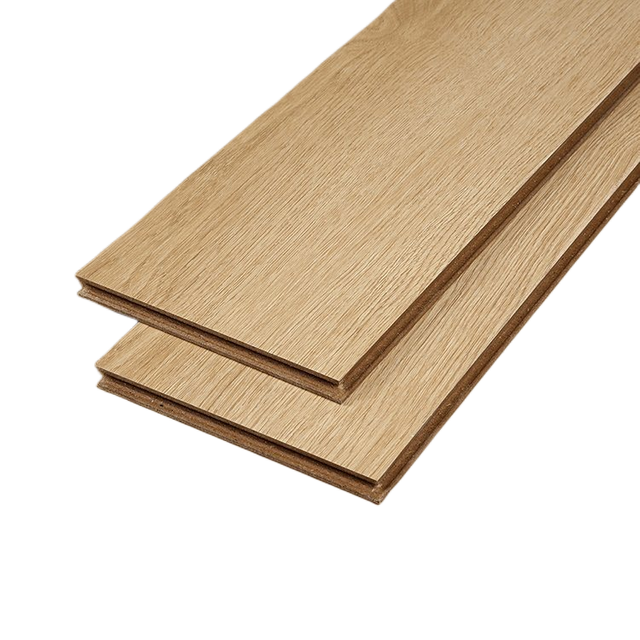
Laminate flooring is a synthetic flooring product composed of multiple layers fused through a lamination process. It typically includes:
A wear layer that protects against scratches and stains
A photographic layer that mimics wood or stone
A core layer made of high-density fiberboard (HDF)
A backing layer to resist moisture and add stability
Laminate flooring has become increasingly popular due to its affordability and visual appeal. However, when it comes to comfort and softness underfoot, it's essential to analyze how it compares with LVP flooring.
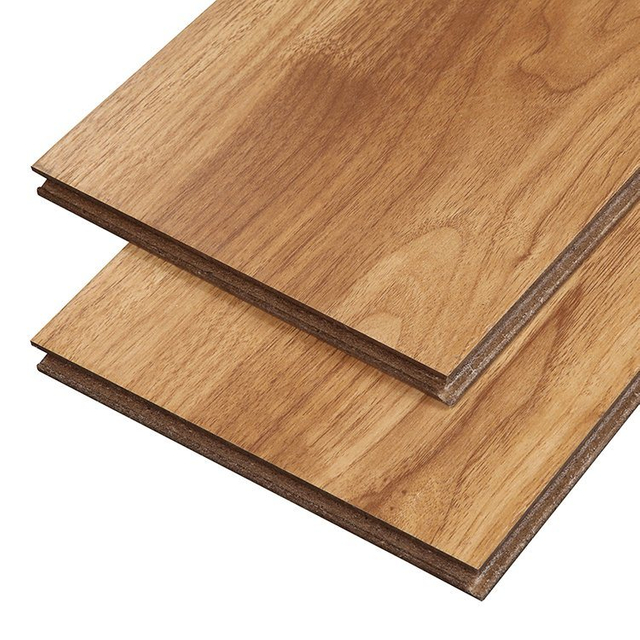
LVP flooring—short for Luxury Vinyl Plank—is a type of vinyl flooring designed to closely resemble hardwood. It's composed of:
A wear layer, usually made of urethane or aluminum oxide
A decorative layer that imitates wood or tile
A vinyl core or WPC/SPC composite core
An underlayment layer in many cases for added cushion and sound absorption
LVP flooring has surged in popularity due to its water resistance, durability, and comfort underfoot. But how does it stack up against laminate flooring in terms of softness?
To help you make an informed decision, we've broken down the key features of both flooring types in the table below:
| Feature | Laminate Flooring | LVP Flooring |
|---|---|---|
| Material Composition | HDF Core, Melamine Resin | PVC Vinyl, SPC/WPC Core |
| Underfoot Softness | Medium to Firm | Soft to Medium (especially with foam backing) |
| Water Resistance | Low to Moderate | High (100% waterproof options available) |
| Sound Absorption | Poor without underlayment | Better with built-in or added underlayment |
| Installation Method | Floating (click-lock) | Floating or Glue-Down |
| Durability | Scratch-resistant but can swell if wet | Highly durable and water-resistant |
| Price Range (per sq. ft.) | $1 to $4.50 | $2 to $7 |
| Comfort with Underlayment | Improved with cork or foam underlayment | Enhanced by built-in foam layer or added padding |
In terms of pure softness underfoot, LVP flooring generally wins over laminate flooring. The reason lies in its construction:
LVP flooring often includes a built-in underlayment or is installed above a soft underlayment, providing a cushion-like feel.
Laminate flooring, on the other hand, is made of dense fiberboard, which tends to feel firmer and less forgiving when walked on.
Surveys show that 78% of homeowners report LVP flooring as being softer and more comfortable for prolonged standing or walking. In contrast, only 52% of laminate flooring users described the surface as "comfortable."
Manufacturers are now blending the best of both worlds with hybrid flooring—featuring a laminate look but with vinyl-based cores that offer enhanced softness and water resistance.
With the rise of remote work, people are spending more time at home. Flooring companies are reacting by offering ergonomic LVP flooring options with thicker wear layers and enhanced cushioning, making them ideal for standing desks and home offices.
Laminate flooring has its own strengths and weaknesses:
Affordable and cost-effective
Scratch and dent resistant
Easy to install with click-lock systems
Wide variety of styles and patterns
Not waterproof; spills must be cleaned quickly
Harder underfoot compared to vinyl
Noisy without underlayment
Limited refinishing options
Luxury Vinyl Plank flooring offers a different set of advantages:
Waterproof and ideal for kitchens and bathrooms
Softer and more comfortable underfoot
Quiet with built-in underlayment
Available in realistic wood-look options
Scratch and stain resistant
Generally more expensive than laminate
May fade with prolonged UV exposure
Environmental concerns over PVC content
| Room/Setting | Recommended Flooring Type | Reason |
|---|---|---|
| Living Room | Laminate or LVP | Both offer style and durability |
| Kitchen | LVP | Water resistance and softness |
| Bathroom | LVP | Waterproof and mold-resistant |
| Bedroom | LVP | Quiet and comfortable |
| Home Office | Laminate with underlayment | Firm support for office chairs |
| Basement | LVP | Handles moisture and temperature changes well |
Requires foam or cork underlayment for comfort and soundproofing
Click-lock systems make DIY installation feasible
Must be acclimated to room temperature and humidity before installation
Many LVPs come with built-in underlayment
Can be glued down or floated
No acclimation required for SPC-core LVP
| Feature | Laminate Flooring | LVP Flooring |
|---|---|---|
| Cleaning | Damp mop only | Wet mop or steam mop |
| Stain Resistance | Moderate | High |
| UV Resistance | High | Moderate (use blinds) |
| Lifespan | 10–20 years | 15–25 years |
While both laminate flooring and LVP flooring are synthetic, their environmental footprints differ:
Laminate flooring is often made from recycled wood fibers, making it more eco-friendly.
LVP flooring is derived from PVC plastic, which raises concerns about VOC emissions and non-biodegradability.
If sustainability is a priority, laminate flooring with low-VOC certifications may be the better choice.
Is laminate flooring softer than vinyl flooring?
No, laminate flooring is generally firmer and less soft than LVP flooring, especially when LVP includes built-in underlayment.
Can I make laminate flooring softer?
Yes. Installing a high-quality underlayment like cork or foam can significantly improve the softness and sound absorption of laminate flooring.
Is LVP more comfortable for standing long hours?
Yes. Due to its resilient core and thicker wear layers, LVP flooring is often preferred in environments where people stand for long periods, such as kitchens or home offices.
Which flooring is better for pets?
LVP flooring is more pet-friendly due to its scratch resistance, waterproof nature, and softness that's gentler on paws.
Does laminate flooring last as long as LVP?
While both can last over a decade with proper care, LVP flooring typically outlasts laminate flooring due to its superior moisture resistance and durability.
When evaluating softness underfoot, LVP flooring is generally the superior choice. Its vinyl composition, built-in cushioning, and resilient nature make it ideal for homeowners seeking comfort, especially in high-traffic or moisture-prone areas.
However, that doesn't mean you should completely rule out laminate flooring. With the right underlayment, modern laminate flooring can offer a close second in terms of comfort—while often being more affordable and environmentally friendly.
| Feature | Laminate Flooring | LVP Flooring |
|---|---|---|
| Softness | Firmer | Softer |
| Durability | Moderate | High |
| Water Resistance | Low to moderate | Excellent |
| Installation Ease | Easy with underlayment | Easy, often with built-in pad |
| Price | Lower | Slightly higher |
| Eco-Friendliness | Better | Less eco-friendly |
In conclusion, if your top priority is softness and comfort underfoot, LVP flooring is the clear winner. But if budget and sustainability are more critical, and you're willing to invest in a quality underlayment, then laminate flooring is a strong contender.
Always base your decision on your household's specific needs, lifestyle, and long-term priorities.